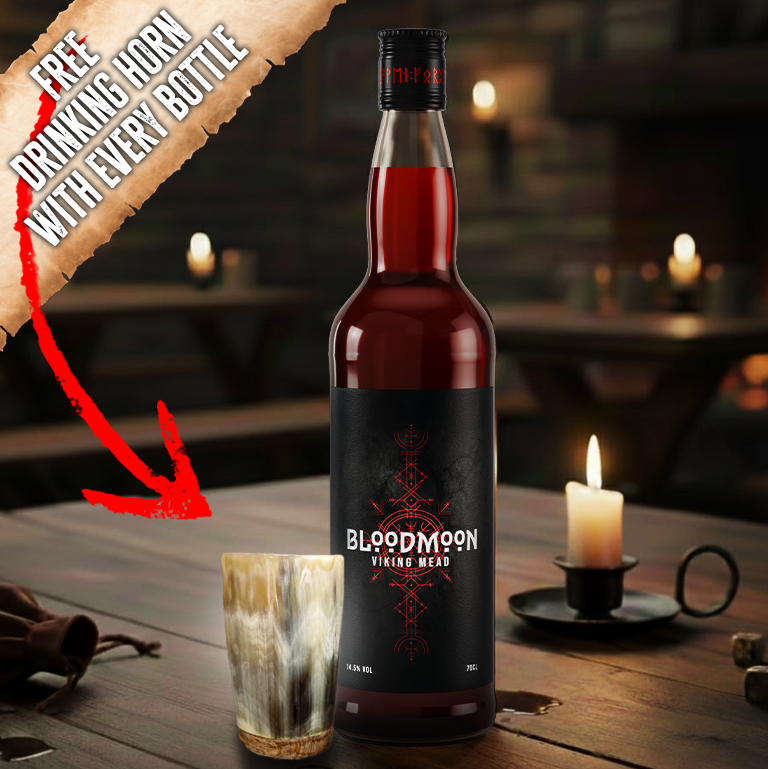
At the mention of mead, your mind probably goes straight to a Viking in a fur coat, downing a horn of honey wine after a long day in battle. And, while this aesthetic is undeniably cool, it’s unlikely that you’ll be drinking mead in this manner.
Mead is technically the oldest alcoholic drink in the world and has been around longer than both beer and wine. But, despite its ancient history, it's had a massive comeback in recent years and it’s no longer just fantasy fans and history buffs who enjoy this tempting tipple.
If you’ve just picked up or are looking to buy your first bottle, you might be wondering - how do you drink mead? Do you mix it with anything? And what’s best to eat with it? They’re all questions we get a lot, so grab a glass (or a horn), and let’s guide you through how to drink mead.
How to Serve Mead
A frequent question we get is how to serve mead properly. Should it be kept cold like beer or served at room temperature like red wine? And do you need to leave it to breathe?
Thankfully, it’s not that pretentious. But the vessel and the temperature do matter.
The Vessel: Horn vs Glass
Drinking from a polished horn is a primal experience. If you’re sitting round a fire pit with your mates, the horn is the undisputed champion of vessels. So, for maximum theatrical effect, this is what we’d recommend.
However, if you really want to get nerdy about the flavour, a standard wine glass is your best bet. The shape of a white wine glass tapers in at the top, which traps the aromas. Since mead is honey-based, those aromatics - which tend to be floral, fruity, spicy, and earthy - are pretty important.
The Temperature
Mead sits in a weird middle ground between beer and wine, so it’s hard to know whether to stick it in the fridge or leave it in the cupboard. But as a general rule of thumb, treat it a bit like you would wine.
Most lighter, fruitier meads taste best when chilled. If you’ve got a bottle of something crisp, put it in the fridge for a few hours before serving. The cold temperature keeps the acidity sharp, making it more refreshing and less syrupy.
However, if you’re drinking something heavy, dark, and high in alcohol, you might want to drink it at room temperature, or just cellar temp. If it’s too cold, you’ll miss out on some of the deeper, richer honey notes.
For winter months, mulled mead is an authentic and Nordic-feeling drink. Gently warming a spiced mead on the stove (being very careful not to boil it) is arguably better than mulled wine any day of the week.
Different Types of Mead
If you wander into The Mead Hall, you’ll quickly realise that the world of mead is massive. There’s an endless combination of flavours out there. So, if you think you don’t like mead because you tried one super-sweet cup at a Christmas market ten years ago, you shouldn’t let this put you off now.
There are lots of different types, much more than we can put into one list here, but here are some of the most common types of mead and what they actually taste like.
Traditional Mead
This is the most common option. It’s just honey, water, and yeast. That being said, the flavour of traditional mead can change completely based on what flowers the bees were visiting.
It can be light and floral (like orange blossom) or dark and caramel-like (like buckwheat). If you want to know what mead actually tastes like without any real additions, then this is a good place to start, and our BloodMoon is a particularly good option.
Melomels (Fruited Meads)
If you’re a fan of ciders or fruity cocktails, this is a good option for you. A Melomel is mead fermented with fruit and bridges the gap perfectly for people who find traditional mead a bit too rich. It mixes the rich honey base with fruit, giving you a drink that is sweet, tart, and easy to drink.
Metheglin (Spiced Mead)
Metheglin sounds like every fantasy villain ever, but it actually means mead infused with spices or herbs such as vanilla, cinnamon, ginger, nutmeg, or even chilli. It typically offers a warm and complex flavour profile.
In medieval times, people added herbs to mead for their believed medicinal properties, but nowadays, we just do it for the taste.
Sack Mead
Sometimes you want a drink that puts hairs on your chest. ‘Sack’ mead refers to a mead with a high alcohol content and lots of residual sugar. It’s thick, rich, and strong.
If you’re looking for that warrior spirit (pun intended), you need to try out Berserker Mead. It’s bold and intense, but it’s definitely not for pre-drinking sessions. This is something you sip slowly.
Mead Food Pairings
You’ve chosen a mead, got the temperature right, and poured it into your favourite glass or drinking horn. All that’s left to do is pair it with the perfect feast.
Because it has the sweetness of honey but the acidity of wine, and there are a fair few variants to choose from, mead is pretty flexible when it comes to food pairings. However, generally speaking, the best options are:
Charcuterie Board
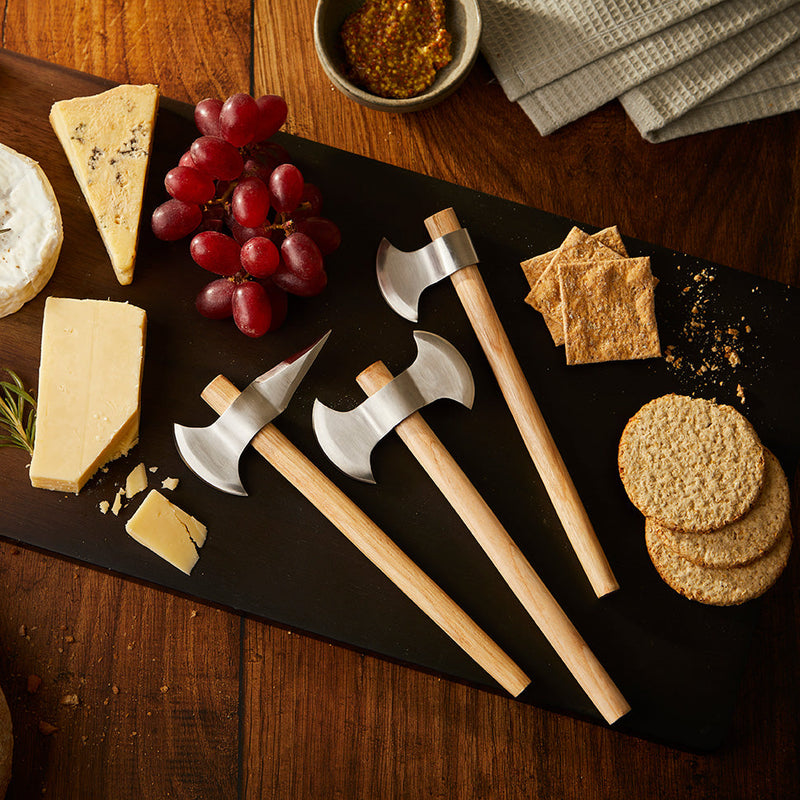
This is probably the most obvious option as honey goes with both cheese (particularly strong, salty cheeses like Stilton or sharp cheddar) and cured meats. The sweetness of the mead cuts right through the salty content of a cheese board, creating a perfect balance overall. Salami, chorizo, and prosciutto are all great meat options, but you can’t really go wrong here - pick whatever you like best!
Curry
If you love a spicy curry, then put down the lager and try a mead instead. Carbonation can sometimes make spice burn more and taste a little bitter, whereas the sweetness in mead coats your tongue and calms the heat. A chilled, fruity mead with a spicy Jalfrezi is the perfect combination. The fruit notes pick up on the spices in the sauce, and the sugar keeps the chilli at bay.
Sunday Roast
If you’re having a heavy savoury meal like roast beef, lamb, or a rich stew, you want to go for something a little more robust than white wine - making mead the perfect alternative. The deep, caramelised honey flavors in a traditional or spiced mead complement roasted root vegetables and gravy perfectly.
Dessert
Meads provide plentiful options when it comes to sweet treats, too. A heavy mead with chocolate is an indulgent choice, for example, and berry meads go very well with desserts that may traditionally be accompanied by fruit, such as crumble.
Mead is Highly Versatile
There are no hard and fast rules with mead. After all, Vikings weren’t perfecting the temperature of their mead or hunting specific meats to pair it with! But by following a few of our tips, you can make the most out of your beverage, whether it’s your first time drinking mead or you’re looking to expand your palette.
So grab a bottle and start experimenting. Skål!